
How to keep your dog cool in the heatwave
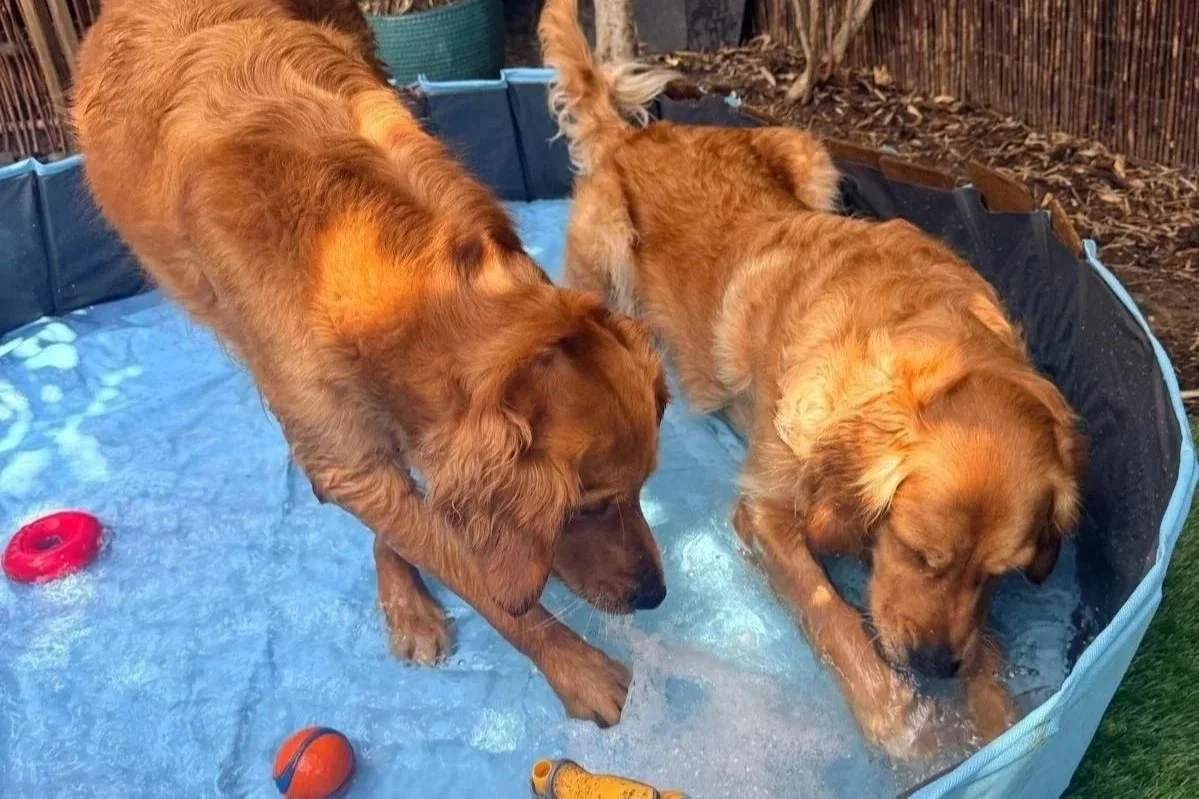
Dogs are incredibly resilient, but they aren't built for the heat the same way we are. While humans sweat to stay cool, dogs mainly cool themselves by panting. They also lose a small amount of heat through their paw pads and nose, but unlike humans they do not sweat across most of their body.
Whether you are a CareDogs volunteer or a pet parent relaxing at home, here is our essential guide to keeping your pups happy, hydrated, and out of harm's way this summer.
1. Master the "Five-Second Test"
Before heading out for a stroll, place the back of your hand firmly on the pavement for five seconds. If it is too hot for your skin, it is far too hot for your dog’s sensitive paw pads. Tarmac can reach scorching temperatures in direct sunlight, leading to painful blisters and burns.
The golden rule: Stick to early morning or late evening walks when the air and ground have properly cooled down. If in doubt, skip the walk entirely - a day of indoor brain games is much safer than a heat-stroke risk.
2. Get creative
Always ensure your dog has access to fresh, cool water, but you can also make hydration fun:
The Pupsicle: Freeze some low-salt dog-safe broth, or water mixed with a few of their favourite treats, inside a container.
Ice cube bobbing: Drop a few ice cubes into their water bowl to encourage them to drink and play.
Frozen treats: Plain, unsweetened yogurt mixed with mashed banana can be frozen into ice cube trays for a soothing afternoon snack.
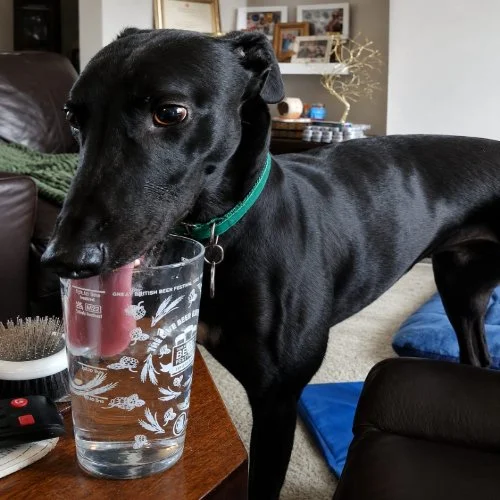
Frank, the rescue greyhound, enjoying a cold drink
3. Cool the core
Cooling mats are a fantastic investment, but if you don't have one, a damp, cold towel laid flat on a tiled floor works wonders.
Avoid draping a wet towel over your dog for long periods. This can act like a greenhouse, trapping the heat against their fur instead of letting it escape. It is much more effective for them to lie on top of a cool surface to cool their belly and paws.
4. Spotting the signs of heatstroke
Knowing the symptoms of heatstroke can save a dog’s life. Keep a close eye out for:
Excessive, heavy panting or difficulty breathing
Drooling more than usual, or thick, sticky saliva
Lethargy, drowsiness, or unsteadiness on their feet
Bright red or dark gums and tongue
If you suspect a dog is suffering from heatstroke, move them to a cool, shaded area immediately. Douse them with cool (not freezing) water, offer them small amounts of water to drink, and phone your vet straight away.
By making a few simple adjustments to your daily routine, you can ensure your dog stays safe and comfortable until the cooler weather returns. Enjoy the sunshine, look out for one another, and keep those water bowls topped up!
Sources
RSPCA, Dogs Trust, PDSA, Blue Cross
